

A handheld device for the warehouse is a compact, handheld gadget that allows warehouse workers to scan items and manage stock when they are working. It is also referred to as a "palmare magazzino," which simply means a handheld device employed in a warehouse. It is usually a tough smartphone with an inbuilt barcode scanner, a touchscreen, and a robust device that is able to handle the rough everyday use. Instead of writing in a notebook or walking from one place to a desk computer employees can work at the point where the products are. Many handhelds can connect to warehouse systems through Wi-Fi. Some also use mobile data when required. The basic idea behind them is to scan an object to find the relevant details, then send out updates immediately. If you imagine a bustling warehouse with constant movement, this device becomes the quiet helper that keeps everything in order.
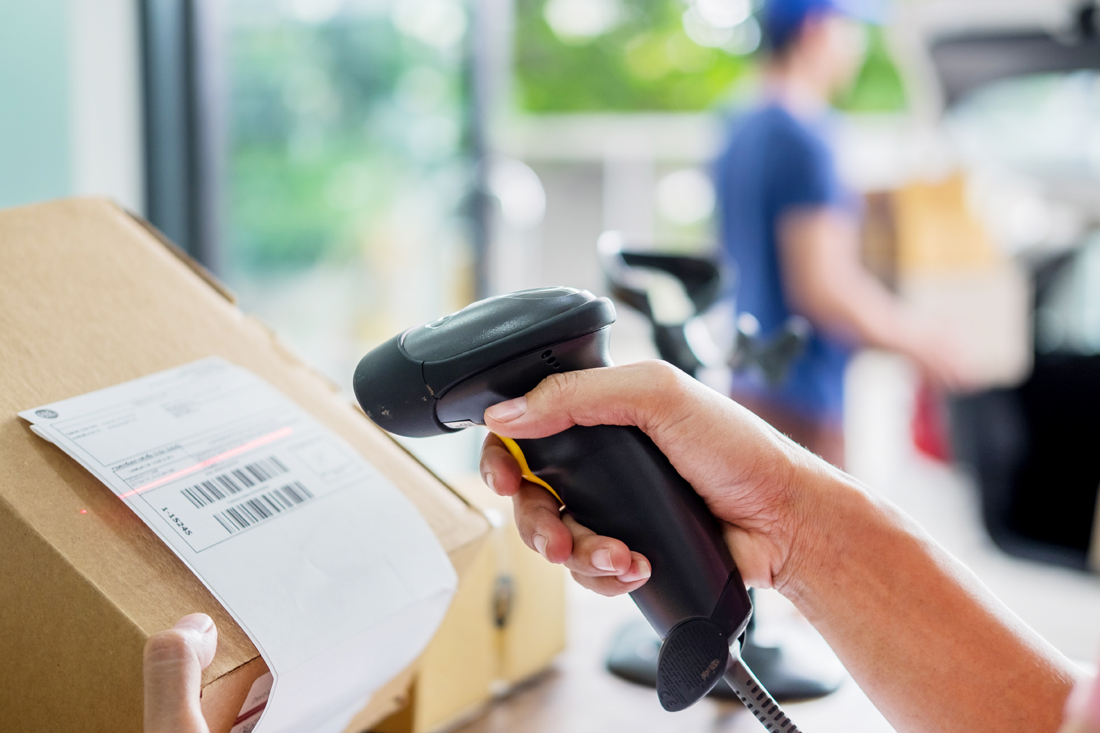
Warehouses use handheld computers for tasks that happen all day long, especially picking and packing. When a picker scans an product, the computer will confirm it matches the order before it goes into the bag. That small confirmation helps stop wrong picks, which can lead to returns, refunds as well as wasted shipping charges. While packing, scanning will confirm quantities and reduce the possibility of losing items. In receiving, the device can log inbound goods when the pallets or boxes are opened, or have been broken. For shipping, scanners is able to verify the condition of cartons prior to loading so the right products are delivered to the correct truck. These steps aren't flashy, but they make it easier to avoid the kinds of mistakes which can eat up the time and funds. Over a week, those spared minutes and avoiding errors could be enormous.
One of the most significant benefits is real-time inventory accuracy, because the handheld keeps stock updates moving with the same pace as the warehouse. When a worker scans an item during the process of picking the device can cut down inventory immediately. This prevents overselling and promising items that were already taken ten minutes earlier. While putting things away, staff are able to scan the location of a store and confirm where a product was stored, which keeps locations accurate for future picks. If items are moved onto a different shelf, scanning will refresh the record of location instantly rather than relying on memory. The cycle counts are also more efficient because staff can scan items while the warehouse is running and without shutting down the entire operation. Since the updates happen live, the supervisors are able to spot any gaps earlier and address them before they turn into delay in orders. The handhelds also help the warehouse run on facts instead of guesswork.
Choosing the right Warehouse Handheld Computer starts with understanding the environment and how it works, not just chasing the latest version. Durability is an important factor since devices are often dropped, bumped, and employed in cold and dusty areas, so rugged designs will save you money over the course of time. Performance of scanners is important too, since some warehouses only require basic barcode scanning however others use 2D codes such as QR code or Data Matrix. When employees scan at various distances, scanner range or speed could be the difference between smooth shifts and continuous irritation. Battery life is another key factor, since the device's battery dies during a shift could slow down the entire operation and create gaps in tracking. The majority of modern smartphones run Android that has grown popular because it's easy to use with its flexibility, adaptability, and support by numerous business-related apps. Connectivity rounds it out, since WiFi, Bluetooth as well as sometimes 5G and 4G can help the device stay connected to WMS or ERP tools wherever the worker travels. To receive further details please go to https://www.idsolutions.it/palmare-magazzino-la-guida-completa-per-scegliere-il-dispositivo-giusto/
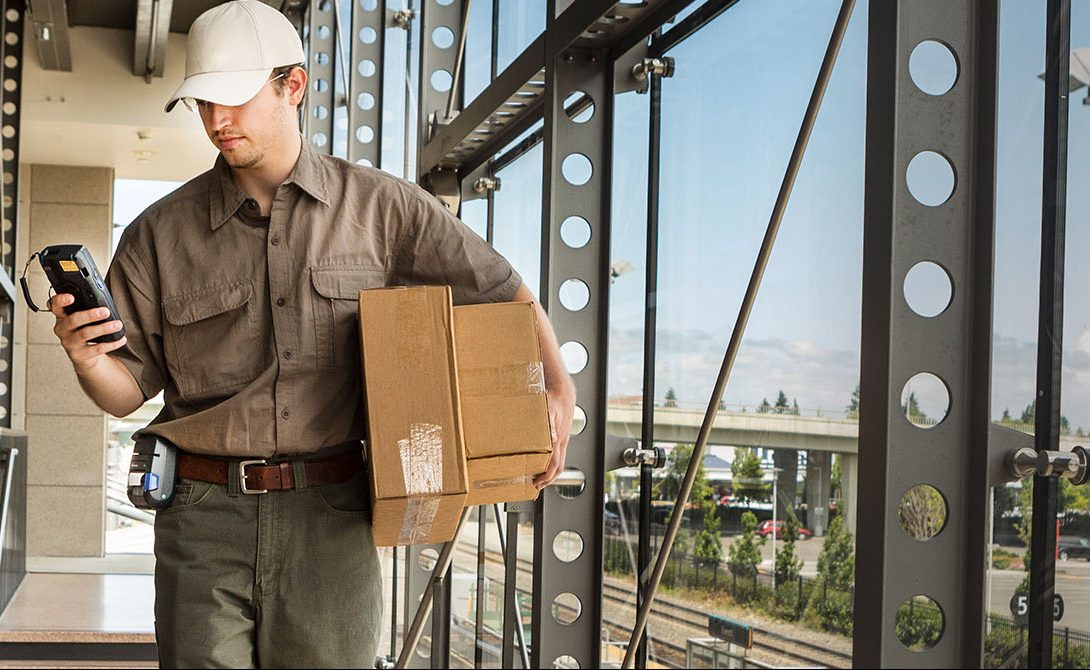
Connectivity is another aspect that is ignored until the issue arises, so it's worth getting it done right from the beginning. The majority of warehouses use Wi-Fi to connect handheld computers however coverage is inconsistent in larger facilities or areas with metal racks. If the Wi-Fi signal is often interrupted the scanning process continues however the data may not sync smoothly, which can lead to delay or even mismatches. Bluetooth is a great option for pairing with printers, headsets, and other devices that are used for packing and labeling. Some operations also use 5G or 4G phones to keep connectivity stable across wide areas or several buildings. Ergonomics matters as well because workers hold these devices for hours, with a weak grip or heavy body adds stress. Screen brightness and touch response affect the brightness of docks and dark aisles, specifically when workers wear gloves. If a device feels secure and is always in contact, it's a instrument that is trusted by people instead of an instrument which they complain about.
Real use cases show why it is important to choose the correct handheld as small devices get louder at scale. Imagine an order picker scanning every item, and the scanner struggles to read wear-resistant labels, slowing down everything else. Consider a new scanner that is able to read fast on the first attempt, keeping the picker moving and causing less stress. Imagine that a receiver is scanning items for putaway. Then, it drains the battery prior to the end of the shift, forcing a stop for charging. Now compare that to the device that has a robust battery that lasts through long shifts with no drama. Consider a warehouse that is doing a cycle count in which the handheld is able to update quantities immediately, which allows managers to correct issues right away. Next, imagine shipping. scanning boxes prior to loading works like a final gate that prevents costly errors. In day-to-day logistics hand-held computers in warehouses don't just speed up tasks and help establish the habit of precision that helps keep the entire operation in check.